Home / Articles
What to Expect After ICL Surgery: Day 1 to Week 6
Home / Articles
What to Expect After ICL Surgery: Day 1 to Week 6
(From the clinical perspective of GS Eye Center, Gangnam, Seoul)
On most days at GS Eye Center, we meet patients who have spent years relying on thick glasses or uncomfortable contact lenses, especially those with high myopia. Many of them are young professionals working long hours in Gangnam’s fast-paced corporate or tech environments, and they often tell us, “I can’t imagine a day without lenses — but I’m tired of the dryness and halos.” When they hear about Implantable Collamer Lens (ICL) surgery — particularly its precision, reversibility, and suitability for high prescriptions — the question they ask next is almost always the same:
It’s a fair question. Even though ICL is gentle on the cornea and allows for very rapid visual improvement, most people still approach surgery with understandable nervousness. After all, your eyes are your eyes. You want to know what to expect, not just medically, but emotionally and practically — how your day will go, how your vision changes hour by hour, and when life returns to normal.
So this guide was written to give you something more than a list of do’s and don’ts. It’s a narrative walk-through — what we have seen over nearly 20 years at GS Eye Center — grounded in experience treating both local patients and visitors who fly to Seoul specifically for refractive surgery.
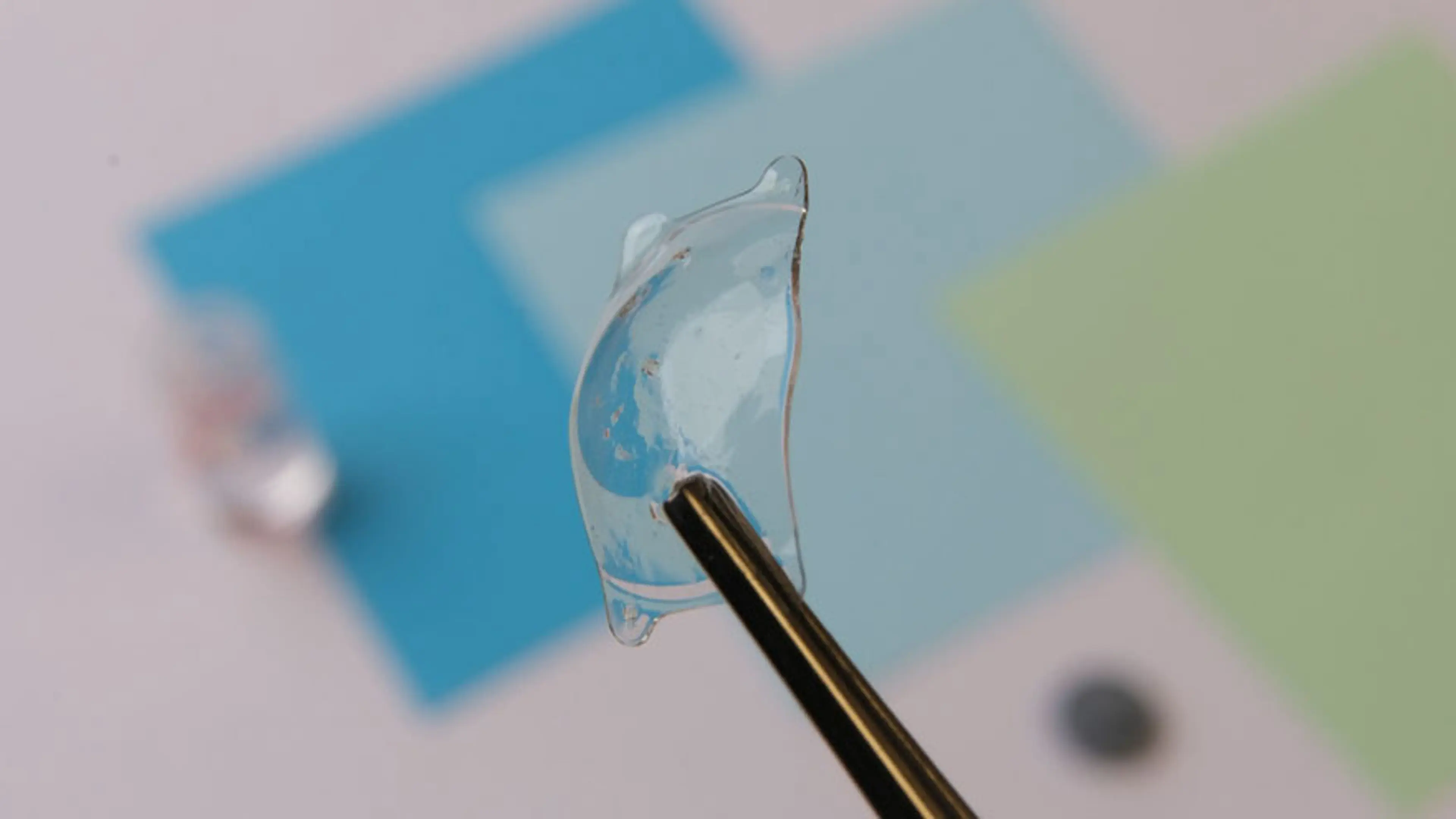
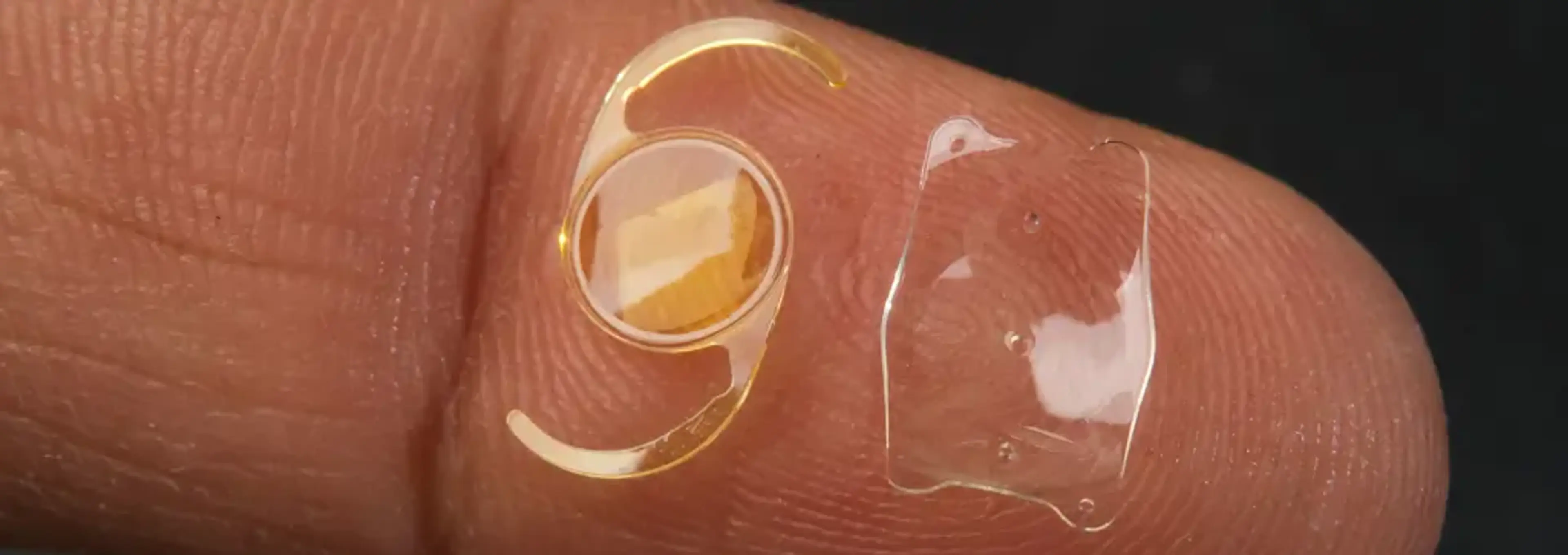
To be honest, most patients are surprised by how smooth the procedure itself feels. ICL typically takes about 10–15 minutes per eye, and because the cornea remains untouched, there’s no anxiety about a flap, no burning smell, no pressure sensations that frighten some laser patients. Instead, the experience feels more like a detailed lens fitting — except the lens is placed inside the eye through a micro-incision.
That first hour is typically spent resting in the recovery lounge. Our team at GS Eye Center monitors eye pressure, confirms the lens positioning, and reassures you about the normal early sensations — mild light sensitivity, tearing, or the feeling that your eyes are adjusting to a new focal system.
Most patients describe Day 1 as a “wow” moment. You open your eyes and the room already looks clearer without effort. If you’re nearsighted — particularly in the −8.00D to −14.00D range — the contrast gain can be startling. The world feels crisp again.
During your Day-1 checkup at GS Eye Center, we verify lens vault (the space between the lens and your natural crystalline lens), eye pressure, corneal clarity, and general visual function. All of these are important for long-term safety.
There are small quirks patients notice on Day 1:
You can go home, rest, watch TV, and move around normally. Most people avoid heavy exercise or eye rubbing, but your usual daily rhythm returns almost immediately.
The first week after ICL is one of adjustment, but not in a restrictive way. This is the point where your eyes and brain form new visual habits. Everyday tasks start revealing small moments of amazement:
Reading your phone without dryness
Recognizing street signs from a distance
Not needing to fog up glasses on a cold Seoul subway platform
Looking at your reflection and seeing your face without distortion
The procedure itself has minimal impact on corneal nerves, so dryness continues to be mild. Many patients find they barely use artificial tears.
What patients should be mindful of during Week 1:
Avoid pressing or rubbing the eyes.
Use antibiotic and anti-inflammatory drops as instructed.
Keep water and soap out of the eyes during showers.
No makeup for several days — especially products near the lash line.
No intense workouts, swimming pools, or saunas.
The truth is that most patients feel “normal” by Day 3, but good habits during this week protect the eye from infection and support long-term clarity.
Something interesting happens around Week 2. Your vision doesn’t just “clear up” — it becomes dependable. You wake up each morning expecting clarity, and clarity is exactly what you get. The visual system has adjusted to its new optics, and the tiny incision made during surgery has fully sealed.
Patients returning to work — especially those in computer-heavy jobs in Gangnam — often comment that digital screens feel easier on the eyes. The stability of ICL optics tends to reduce strain, and the lack of dryness enhances comfort during long hours.
Night vision also improves during this period. Halos gradually soften or disappear, especially in patients who had moderate dilation of the pupils before surgery. At GS Eye Center, because we measure and customize lens sizing with high-precision diagnostic tools, early visual side effects tend to resolve smoothly.
Some individuals even notice an unexpected benefit — better color contrast. This is because the collamer lens has a natural UV-filtering property that reduces scattered light.
Physical activity can return to near-normal levels. Light gym workouts, jogging, and yoga are generally acceptable after the second week, though sweating directly into the eyes should still be avoided.
By Week 4, it’s nearly impossible for most patients to tell they ever had surgery.
The ICL becomes a seamless part of your visual system. There is no sensation of a foreign body — unlike contact lenses — and no dryness from corneal nerve disruption. Your natural lens continues to function, preserving accommodation (near focusing ability), which is particularly important for people in their 20s to 40s.
For many patients, Week 4 marks the emotional turning point. Not just seeing clearly — but trusting their vision. Trusting that they can wake up and walk out the door without preparing for a day of lens maintenance. Trusting that they no longer need to pack spare contact lenses on a trip. Trusting that they won’t worry about dryness during hiking, gym workouts, or long-haul flights.
At GS Eye Center, we also see many international patients returning for their follow-up check around this time before traveling home. They often comment on how liberating it feels to navigate Seoul’s bright city streets without glasses, especially at night.
Six weeks is a meaningful milestone in ICL recovery. Vision typically reaches its long-term stability by this point. What you see now is close to the final outcome — though minor refinements can still continue.
What changes by Week 6?
By Week 6, nearly all lifestyle limitations are gone:
You can resume all types of exercise.
Swimming and saunas are cleared.
Eye makeup can be worn freely.
Long digital screen sessions are no longer a concern.
Most importantly, you’re no longer thinking about recovery. You’re just enjoying your eyes.
After more than 20 years of caring for patients in Gangnam, one pattern stands out: months after ICL surgery, people don’t describe “medical details” — they talk about lifestyle freedom.
They talk about:
Traveling without worrying about liquids and contact lens cases
Taking spontaneous weekend trips
Running outside without glasses bouncing
Enjoying K-culture nightlife with clearer night vision
Having more confidence in their appearance
Feeling less fatigued at work because the eyes simply feel comfortable
The transformation is rarely dramatic in a single moment — it accumulates quietly each day until one morning, you realize you’ve been living as a glasses-free person for weeks.
ICL does that for people, especially those with higher prescriptions who never thought perfect vision was possible without contacts.
Since opening in 2005, our center has focused on a precision-first, minimally invasive approach to refractive surgery. ICL is one of the procedures where this philosophy truly matters.
Here’s why:
Dr. Kim Moo-Yeon, our lead surgeon and former professor, has performed thousands of refractive procedures and trains other ophthalmologists.
Our team includes seven board-certified ophthalmologists with training from leading institutions in Korea and abroad.
Patients often say they feel cared for rather than rushed, especially those flying in from abroad for surgery. And as many international visitors share, a smooth recovery is just as important as surgical precision.
Whether you live in Seoul or are planning a medical trip to Korea, understanding the recovery timeline gives you confidence. ICL is not just a high-tech procedure — it’s a transformative experience that improves both vision and quality of life.
If you’ve been told you’re “not a LASIK candidate,” or if you struggle with dry eyes, thin corneas, or high myopia, ICL may offer the clarity and comfort you’ve been searching for.