Introduction
introduction:-why-your-first-consultation-mattersOn any weekday morning in Gangnam, you’ll see a familiar scene in our clinic: a professional in their 50s, often someone who has been pushing through cloudy vision for months, finally deciding it’s time to ask a question they’ve been avoiding: “Should I choose laser cataract surgery or the traditional method?”
It’s an understandable hesitation. Cataract surgery is one of the most precise procedures in modern medicine, yet patients often feel overwhelmed by the terminology — femtosecond lasers, phacoemulsification, premium intraocular lenses, astigmatism correction. The truth is, both laser-assisted and traditional cataract surgery are safe and effective when performed by an experienced ophthalmologist. But they are not identical, and understanding their differences helps you choose the solution that aligns with your lifestyle, recovery expectations, and financial considerations.
At GS Eye Center, where our medical team has been treating cataracts and performing lens-based procedures for over 20 years, we often explain the choice in simple terms: Traditional surgery relies on a surgeon’s skilled hands; laser-assisted surgery enhances that skill by adding a layer of computer-guided precision. But the real question isn’t which method is “better.” It’s which is right for your eyes.
Let’s break down what patients need to know — in clear, medically accurate language — while addressing the practical concerns we hear every day in our Gangnam clinic.
Understanding What Actually Happens During Cataract Surgery
understanding-what-actually-happens-during-cataract-surgeryBefore comparing techniques, it helps to understand what cataract surgery aims to do. A cataract is essentially a cloudy natural lens. Replacing it is a bit like swapping out a foggy camera lens for a high-performance one.
The surgery has three major steps:
Creating an opening (capsulotomy) in the thin membrane that surrounds the natural lens.
Breaking up and removing the cloudy lens material.
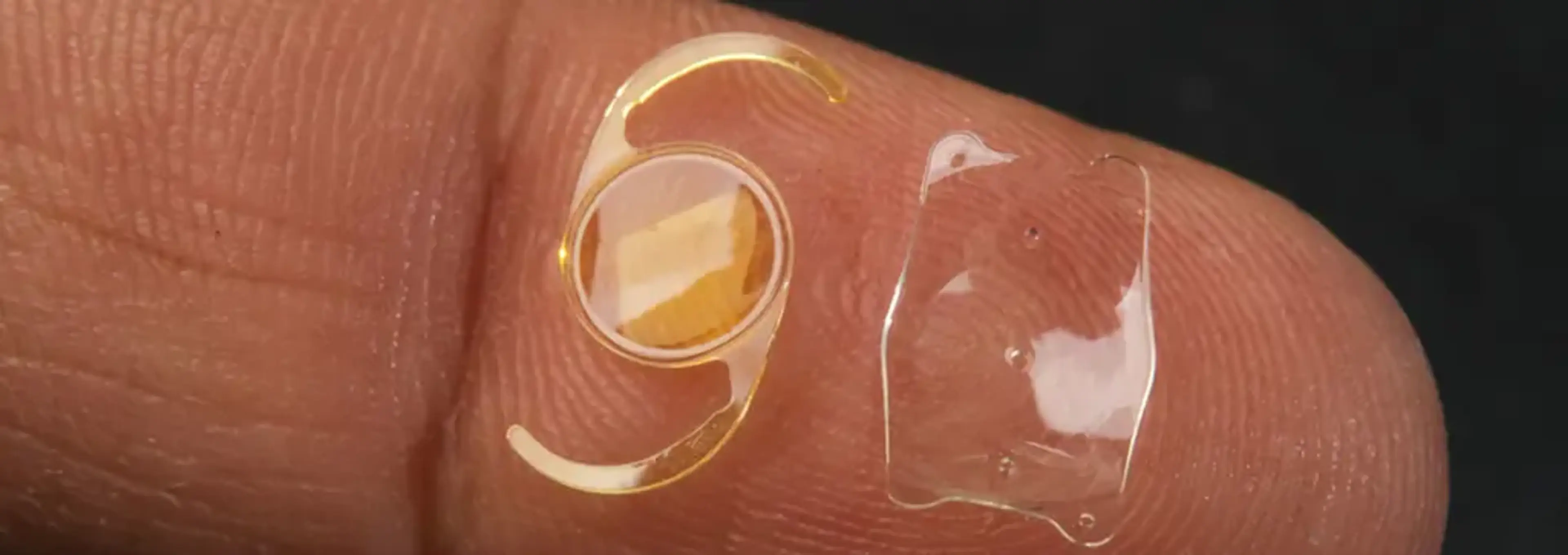
Inserting a clear artificial intraocular lens (IOL) in the exact position where your natural lens used to sit.
The art — and the safety — of cataract surgery lie in how precisely these steps are executed. A few micrometers of difference can affect long-term visual clarity, astigmatism correction, and lens stability.
This is why technology matters. And why your choice of surgical method and clinic matters even more.
Traditional Cataract Surgery: The Surgeon’s Hands Lead the Way
traditional-cataract-surgery:-the-surgeon's-hands-lead-the-wayTraditional cataract surgery, also known as phacoemulsification, has been performed safely for decades. It remains the most common method worldwide — including here in Korea — largely because of its reliability and efficiency.
How the traditional method works
how-the-traditional-method-worksThe surgeon:
Creates a small incision manually with a blade.
Performs the capsulotomy using fine instruments.
Uses an ultrasonic probe to break the cataract into small fragments and remove it.
Places the new artificial lens through the same incision.
When patients hear “manual,” they often picture something imprecise, but that’s not the case. Modern phacoemulsification is a highly refined technique supported by advanced microsurgical tools. In experienced hands, it is exceptionally safe.
Why many patients still choose it
why-many-patients-still-choose-itAt GS Eye Center, we meet many people who prefer the traditional method for practical reasons:
Lower cost: Insurance coverage varies, but traditional surgery is typically the more affordable option.
Excellent outcomes for standard cases: Especially when the cataract is straightforward and the patient does not require astigmatism correction or premium lenses.
Fast procedure time and quick recovery.
To be honest, most patients are surprised by how quickly they can return to daily life — often within a day or two — even after the traditional approach.
Where traditional surgery has limitations
where-traditional-surgery-has-limitationsThe main limitation is that the success of certain steps depends entirely on human steadiness and consistency. For example:
The capsulotomy may vary slightly in size or shape.
The lens fragmentation relies on manual technique.
Correcting astigmatism during incision creation is less precise.
For many patients, these differences may not significantly affect the final outcome. But for others — especially those choosing advanced IOLs — that additional precision matters quite a bit.
Laser Cataract Surgery: Technology-Assisted Precision
laser-cataract-surgery:-technology-assisted-precision
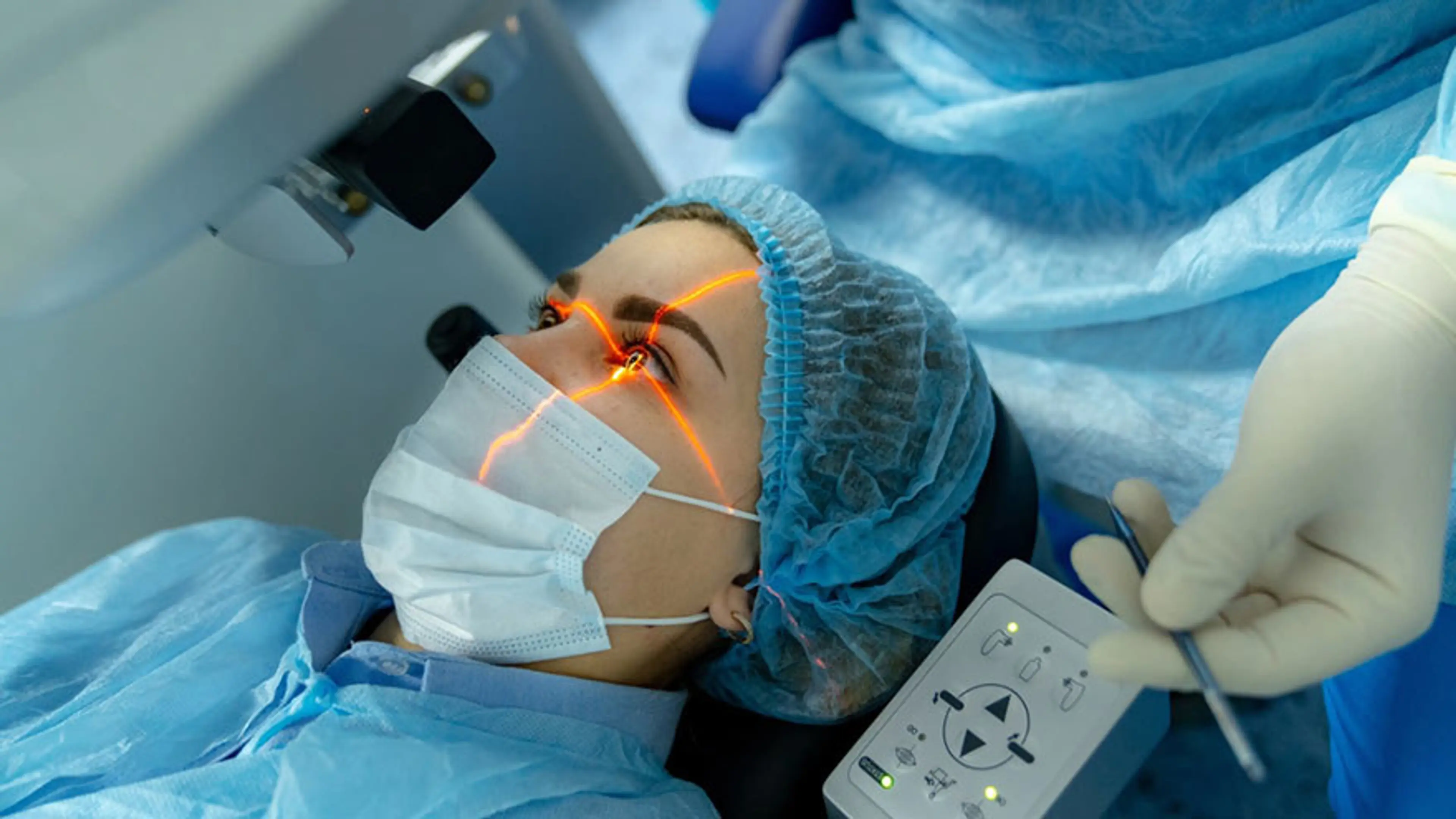
Laser cataract surgery uses a femtosecond laser, a computer-guided system that performs key steps of the procedure with micron-level accuracy. At GS Eye Center, we see rising interest in this option, especially among professionals, frequent travelers, and patients who want the most predictable refractive result.
How the laser-enhanced method works
how-the-laser-enhanced-method-worksWith the help of real-time imaging systems (similar to a medical-grade MRI or 3D map), the laser performs:
Laser-created incisions, replacing the need for blades.
Perfectly circular, centered capsulotomy, improving IOL positioning.
Precise fragmentation of the cataract, reducing ultrasonic energy inside the eye.
Laser-created astigmatism correction, when appropriate.
Think of the laser as a master craftsperson who never wavers — every circle perfectly round, every cut identical, every energy pulse exactly where it needs to be.
Who benefits most
who-benefits-mostLaser cataract surgery is especially helpful for:
Patients with astigmatism who want glasses-independence.
People choosing premium lenses, such as multifocal or toric IOLs.
Eyes with unusual anatomy, where accuracy is crucial for safe outcomes.
Patients sensitive to inflammation, since laser pre-fragmentation reduces ultrasound exposure.
In clinical practice, we often see that the laser allows for a more stable capsulotomy — and a stable capsulotomy leads to a more stable lens position, which directly affects long-term clarity.
What patients frequently ask us
what-patients-frequently-ask-usOne question we hear all the time: “Does laser cataract surgery heal faster?”
In reality, both methods have similar healing timelines. The advantage of the laser is not speed — it’s predictability, especially when fine-tuning refractive outcomes.
For patients who want the sharpest possible unaided vision after surgery, that predictability can make a meaningful difference.
A Side-by-Side Comparison — Without the Marketing Noise
a-side-by-side-comparison-without-the-marketing-noiseInstead of flashy claims, let’s look at what actually changes when you choose one method over the other.
1. Precision
1.-precisionTraditional: Very high, but dependent on surgeon technique.
Laser: Ultra-consistent capsulotomy and incision geometry.
2. Astigmatism correction
2.-astigmatism-correction3. Energy used inside the eye
3.-energy-used-inside-the-eye4. Best for premium intraocular lenses?
4.-best-for-premium-intraocular-lensesTraditional: Works, but lens centration can vary.
Laser: Designed to optimize IOL alignment and performance.
5. Cost
5.-cost6. Overall safety
6.-overall-safetyBoth methods are extremely safe when performed by an experienced surgeon. The difference lies in finesse, customization, and outcome predictability.
Why Korean Patients Are Increasingly Choosing Laser Cataract Surgery
why-korean-patients-are-increasingly-choosing-laser-cataract-surgery
Korea has always been an early adopter of medical innovation, and cataract treatment is no exception. At GS Eye Center, we’ve seen a noticeable trend over the last 5–7 years: a strong preference for laser-assisted surgery combined with premium IOLs.
The reasons are cultural as much as medical:
1. Busy lifestyles demand precision
1.-busy-lifestyles-demand-precisionIn Seoul, many patients want minimal downtime and the ability to perform near, mid-range, and distance tasks without switching glasses constantly. Laser-assisted surgery supports that desire by enhancing premium lens performance.
2. High expectations for visual quality
2.-high-expectations-for-visual-qualityKorean patients tend to prioritize fine visual clarity — reading small text on digital devices, night driving, professional work — areas where small differences in lens centration and astigmatism correction matter.
3. A preference for advanced technology
3.-a-preference-for-advanced-technologyMany patients feel more reassured when their surgery involves measurable, computer-guided planning. There is comfort in knowing the laser executes each step with mathematical accuracy.
When Traditional Surgery May Still Be the Better Choice
when-traditional-surgery-may-still-be-the-better-choiceDespite the advantages of laser technology, the traditional approach remains excellent and sometimes preferable.
1. When the cataract is very dense
1.-when-the-cataract-is-very-denseIn extremely advanced cataracts, surgeons may still favor manual techniques for better control.
2. When cost is a major factor
2.-when-cost-is-a-major-factorInsurance often covers the traditional method more fully. For patients without visual demands beyond basic clarity, this is a very reasonable choice.
3. When the eye anatomy is not suitable for laser docking
3.-when-the-eye-anatomy-is-not-suitable-for-laser-dockingThis is uncommon but possible. A skilled surgeon will recognize this during pre-operative evaluation.
How GS Eye Center Helps Patients Decide
how-gs-eye-center-helps-patients-decideOne thing people often overlook is how much diagnostic testing shapes surgical safety and success. At GS Eye Center, our evaluation process is detailed and takes longer than what many patients expect — but for good reason.
We use a suite of high-resolution imaging systems to measure:
Corneal curvature and thickness (critical for astigmatism planning)
The exact shape of the anterior chamber
Lens density and cataract hardness
Retinal health
Tear film stability (which affects IOL accuracy)
Patients often comment, “I didn’t realize cataract surgery required this much measurement.”
But these measurements determine whether the laser will provide meaningful benefit — and which type of intraocular lens will give the best result.
Dr. Kim Moo-Yeon’s Surgical Philosophy
dr.-kim-moo-yeon's-surgical-philosophyWith more than two decades of experience and a background as a university professor, Dr. Kim brings a calm precision to cataract care. His approach is technology-supported but not technology-dependent. As he often reminds patients:
“The laser is a tool. A powerful one — but the real value lies in choosing the right tool for the right eye.”
Our team of seven board-certified ophthalmologists follows the same principle:
Personalized planning first, technology second.
A Real Example From Our Clinic (With Patient Details Masked)
a-real-example-from-our-clinic-(with-patient-details-masked)A 58-year-old office worker visited GS Eye Center complaining of worsening glare and difficulty reading documents late at night. She also had mild astigmatism and was hoping to reduce her dependence on glasses.
After performing 3D corneal mapping and lens biometry, we determined:
Her cataract was moderate.
She had consistent astigmatism that could be corrected with laser-guided arcuate incisions.
She was a strong candidate for a premium multifocal lens.
She ultimately chose laser-assisted cataract surgery, mainly because the precision would optimize the performance of the multifocal IOL.
Post-surgery, her near and distance vision improved significantly. What she appreciated most wasn’t just the clarity but the consistency of vision across her workday — something that mattered for her job.
This is a common scenario in Gangnam: precision supports lifestyle.
So Which Is Right for You?
so-which-is-right-for-youIf you want a simple guideline from our clinical perspective:
Choose Traditional Cataract Surgery if:
choose-traditional-cataract-surgery-if:You want the most cost-effective option.
You have a straightforward cataract without significant astigmatism.
You plan to use standard monofocal lenses.
You prioritize safety and efficiency over refractive customization.
Choose Laser Cataract Surgery if:
choose-laser-cataract-surgery-if:You want the most precise, predictable visual outcome.
You have astigmatism.
You are considering premium IOLs for reduced dependence on glasses.
You value cutting-edge technology and micron-level accuracy.
But truthfully, the best decision emerges only after a thorough, individualized eye examination. The nuances of each person’s eye — corneal curvature, lens shape, retinal health — cannot be generalized.
A Final Word From GS Eye Center
a-final-word-from-gs-eye-centerVision is deeply personal. Two patients with the same cataract severity may have completely different goals: one may want clarity for night driving, while the other wants seamless reading vision for digital devices or a hobby like calligraphy. That’s why our role isn’t simply to perform surgery but to guide patients toward the option that fits their life.
If you're debating between laser and traditional cataract surgery, consider visiting a center that offers both options — and prioritizes careful diagnostics, transparent communication, and decades of surgical experience.
At GS Eye Center in Gangnam, we’re committed to pairing advanced technology with a patient-first approach. Whether through traditional or laser-assisted methods, our goal is clear: to restore your vision with precision, safety, and comfort.