Introduction
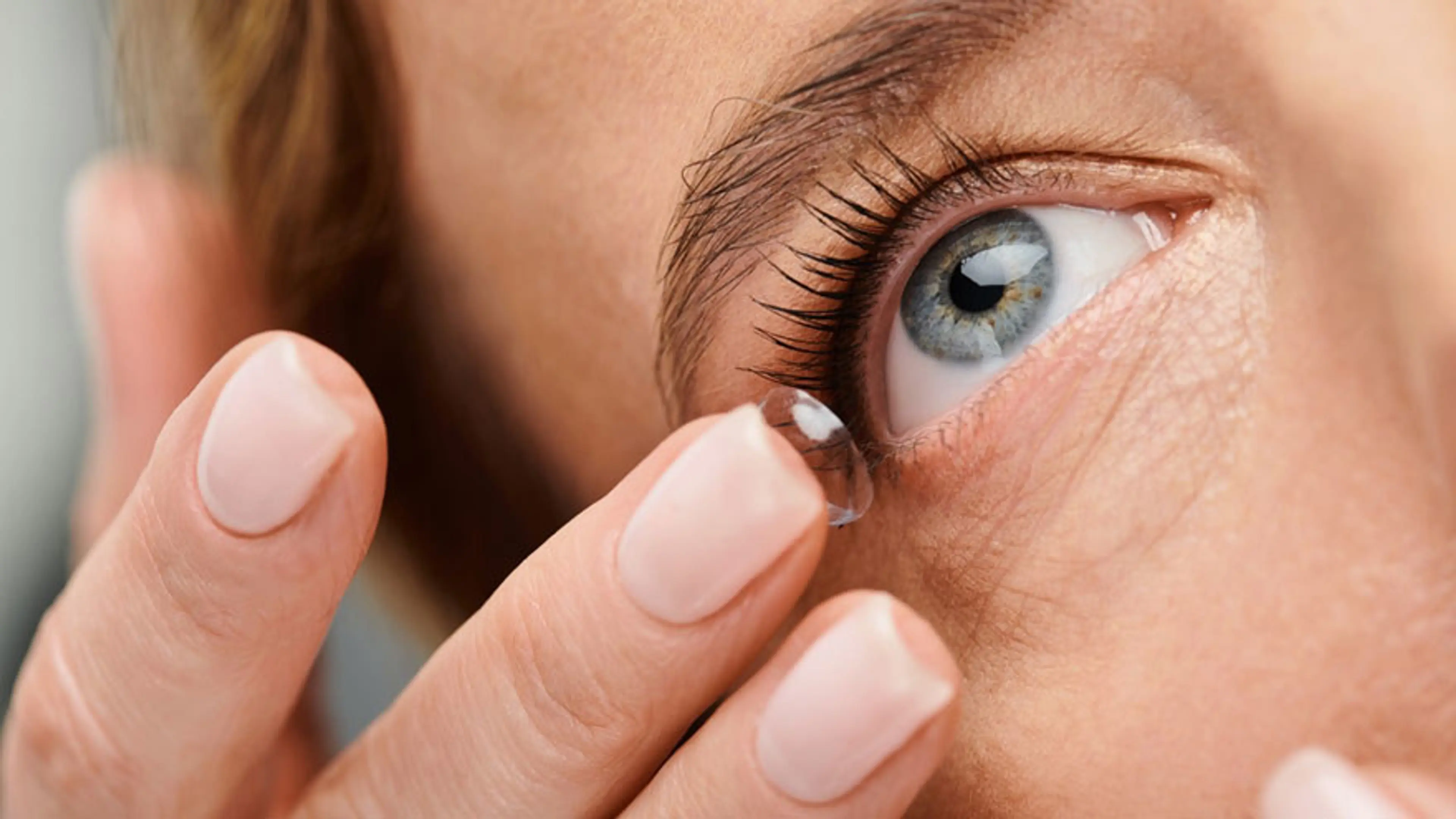
introduction:-the-pursuit-of-natural-radianceFor many people in Korea, “Dream Lenses” (orthokeratology lenses, or Ortho-K) have become an attractive alternative to glasses or daytime contact lenses. These specialized contact lenses are worn overnight while you sleep. By gently reshaping the surface of the cornea, they allow you to wake up with clearer vision that lasts throughout the day — no spectacles, no soft lenses, no surgery.
In Seoul, especially in districts like Gangnam where professional and student life can be fast-paced, the appeal is clear. Imagine preparing for a day of meetings, classes, or workouts without the hassle of glasses fogging up or lenses drying out. For children and teenagers, Dream Lenses offer not only freedom from glasses but also a potential benefit in slowing down the progression of myopia — a growing concern in Korea, where nearsightedness is widespread among young people.
Yet, a practical and very common question remains:
“How long does it take to get used to Dream Lenses?”
The answer is that adjustment usually takes a few days to a few weeks. But this timeline depends on your prescription, corneal flexibility, and consistency of wear. To really understand what your eyes go through in the early stages, let’s break the process into phases.
The First Nights: Getting Used to the Sensation
the-first-nights:-getting-used-to-the-sensationThe first hurdle with Dream Lenses isn’t vision — it’s the feeling of the lenses themselves. Unlike soft contact lenses, Dream Lenses are made of rigid, gas-permeable material. This sturdier structure is what allows them to gently “mold” the cornea while you sleep, but it also means they can feel more noticeable when first applied.
Common experiences: Some patients describe the sensation as if they have an eyelash in the eye or a slight pressure under the eyelid.
Adaptation window: Most people find that within 3–7 nights, their eyelids adapt and the foreign-body sensation decreases significantly. Because the eyes are closed during sleep, the awareness is less bothersome than it would be if these were daytime lenses.
Clinical reassurance: At GS Eye Center, we always remind patients that this sensation is normal and temporary. Eyelids are remarkably adaptable — they “learn” to ignore the lenses faster than people expect.
Patient insight: Children often adapt more quickly than adults, partly because they are less conscious of the subtle sensations. Parents sometimes report their child forgets about the lenses after just a few nights.
The First Week: Vision Starts to Clear
the-first-week:-vision-starts-to-clear
While comfort is the first adjustment, vision improvement begins almost immediately. After just one or two nights, many patients notice a difference when they remove their lenses in the morning.
Gradual sharpening: Vision doesn’t become perfect overnight, but it improves steadily as the cornea is gently reshaped.
Daily fluctuations: In the first week, patients often report clear vision in the morning that fades slightly by evening. This is normal as the reshaping effect builds with each night of wear.
Functionality: By the end of the first week, many patients can manage daily activities — commuting, using a computer, or attending class — without glasses.
To be honest, this stage is the most exciting for patients. Many are surprised that they can already go about their day with little or no correction. At the same time, we emphasize patience. The vision will keep getting better, but consistency is key.
Two to Four Weeks: Stabilization Period
two-to-four-weeks:-stabilization-periodThe stabilization phase is when patients reach the point of consistent clarity — vision that remains sharp from morning to night. For most, this happens within 2–4 weeks of nightly wear.
Children and teenagers: Often achieve stability faster due to more flexible corneas.
Adults with higher myopia: May take closer to a month for the effect to hold reliably throughout the day.
Clinical follow-up: At GS Eye Center, we schedule visits at day 1, week 1, and one month to carefully monitor the corneal reshaping process. This ensures not only the desired visual outcome but also ocular health and safety.
This stage marks the transition from trial to routine. Patients begin to trust that their vision will be consistently clear without reliance on glasses or daytime contacts.
Factors That Affect Adjustment Speed
factors-that-affect-adjustment-speedNot everyone adjusts at the same pace. Several variables can influence how quickly Dream Lenses take effect:
Prescription strength: Patients with mild to moderate myopia (-1.00 to -4.00 diopters) usually see faster results. Higher prescriptions may require more time and more precise lens customization.
Corneal shape: Some corneas naturally respond more quickly to reshaping, while others take longer to mold effectively.
Consistency of wear: Skipping nights can delay or reverse progress, leading to temporary blur. For best results, Dream Lenses must be worn nightly.
Lens fit: Proper fitting by an experienced ophthalmologist is crucial. A poorly fitted lens not only slows down adaptation but may also cause discomfort or suboptimal vision.
Clinical note: At GS Eye Center, we use advanced corneal topography systems to create highly customized lens designs. This reduces the likelihood of prolonged adaptation and enhances both comfort and visual outcomes.
What Patients Often Ask
what-patients-often-ask
“Will I always feel the lenses?”
"will-i-always-feel-the-lenses"No. The foreign-body sensation usually disappears within the first week. Most patients stop noticing the lenses altogether once they’re asleep.
“Do I still need glasses during the adjustment period?”
"do-i-still-need-glasses-during-the-adjustment-period"Possibly. During the first 1–2 weeks, some patients need glasses for specific tasks, like driving at night or reading fine print, until vision fully stabilizes.
“What if my vision isn’t clear after a month?”
"what-if-my-vision-isn't-clear-after-a-month"That’s when we recommend a detailed follow-up exam. In most cases, the issue can be corrected by adjusting the lens fit or reviewing wear habits. Persistent blur after a month is not typical and should always be evaluated by your ophthalmologist.
Beyond Vision: Additional Benefits and Considerations
beyond-vision:-additional-benefits-and-considerationsWhile most patients choose Dream Lenses for daytime freedom from glasses, there are other important benefits:
Myopia control: Clinical studies suggest Ortho-K may slow the progression of nearsightedness in children and teenagers, reducing the risk of high myopia later in life. This is especially important in Korea, where rates of severe myopia are among the highest worldwide.
Non-surgical option: For young patients not eligible for LASIK or SMILE Pro, Dream Lenses provide a reversible way to enjoy clear vision without committing to surgery.
Sports and active lifestyles: Athletes and students in Korea often prefer Dream Lenses because they don’t interfere with training, swimming, or physical education classes.
Of course, there are also responsibilities: proper lens hygiene, regular follow-ups, and consistent wear are essential for both safety and effectiveness.
A Doctor’s Perspective
a-doctor's-perspectiveWhat many online guides don’t emphasize enough is how much diagnostic precision and medical oversight matter. Dream Lenses are not one-size-fits-all. The cornea is unique to every individual, like a fingerprint.
At GS Eye Center, our team relies on high-resolution corneal topography and 3D imaging to map the exact curvature of the cornea. This data is then used to design lenses that reshape the cornea safely, predictably, and comfortably.
To be honest, most patients are surprised at how quickly the process feels natural. Within a few weeks, they describe waking up, removing their lenses, and stepping into their day as if they had undergone a permanent vision correction procedure — except it’s reversible and adjustable.
Final Thoughts: Patience Pays Off
final-thoughts:-patience-pays-offAdjusting to Dream Lenses is a process, but one that rewards consistency and patience. Here’s the timeline most patients can expect:
First nights: Getting used to the sensation.
First week: Noticing clearer vision, though with some fluctuations.
Two to four weeks: Achieving stable, all-day clarity.
The journey isn’t instantaneous, but with proper medical guidance, most people adapt smoothly within a few weeks.
If you’ve been struggling with myopia or are seeking a safe, non-surgical vision correction option, Dream Lenses may be worth considering. For best results, consult a specialized clinic like GS Eye Center in Gangnam, where precision fitting, advanced diagnostics, and patient-centered care ensure your adjustment process is comfortable, safe, and effective.