Home / Articles
Eye Surgery Seoul for LA Patients: 2026 Complete Guide
Home / Articles
Eye Surgery Seoul for LA Patients: 2026 Complete Guide
You've heard that LASIK is available everywhere, but you've also learned that SMILE Pro, the newer, gentler, faster healing procedure, is limited in the United States and significantly more expensive when you do find it. The idea of traveling internationally for surgery feels daunting, but the financial case keeps nagging at you. GS Eye Center's all-in cost, including surgery, flights, hotel, and a few days exploring Seoul, is less than a premium Los Angeles surgeon's procedure alone. The real question isn't whether eye surgery Seoul Los Angeles makes sense. It's whether you're willing to take the leap.
By the end of this guide, you'll have everything you need to make an informed decision about vision correction. You'll understand how much you'll actually save compared to premium LA clinics, exactly how to plan the trip from LAX, what your recovery will look like hour by hour and day by day, which LA-based eye doctors can support you when you return home, and most importantly, you'll hear from other LA patients who have already made this journey and lived to tell the tale. This isn't a marketing pitch for GS Eye Center. It's a practical playbook that treats you as an intelligent, budget conscious professional who happens to be considering the most advanced vision correction option available on the planet.
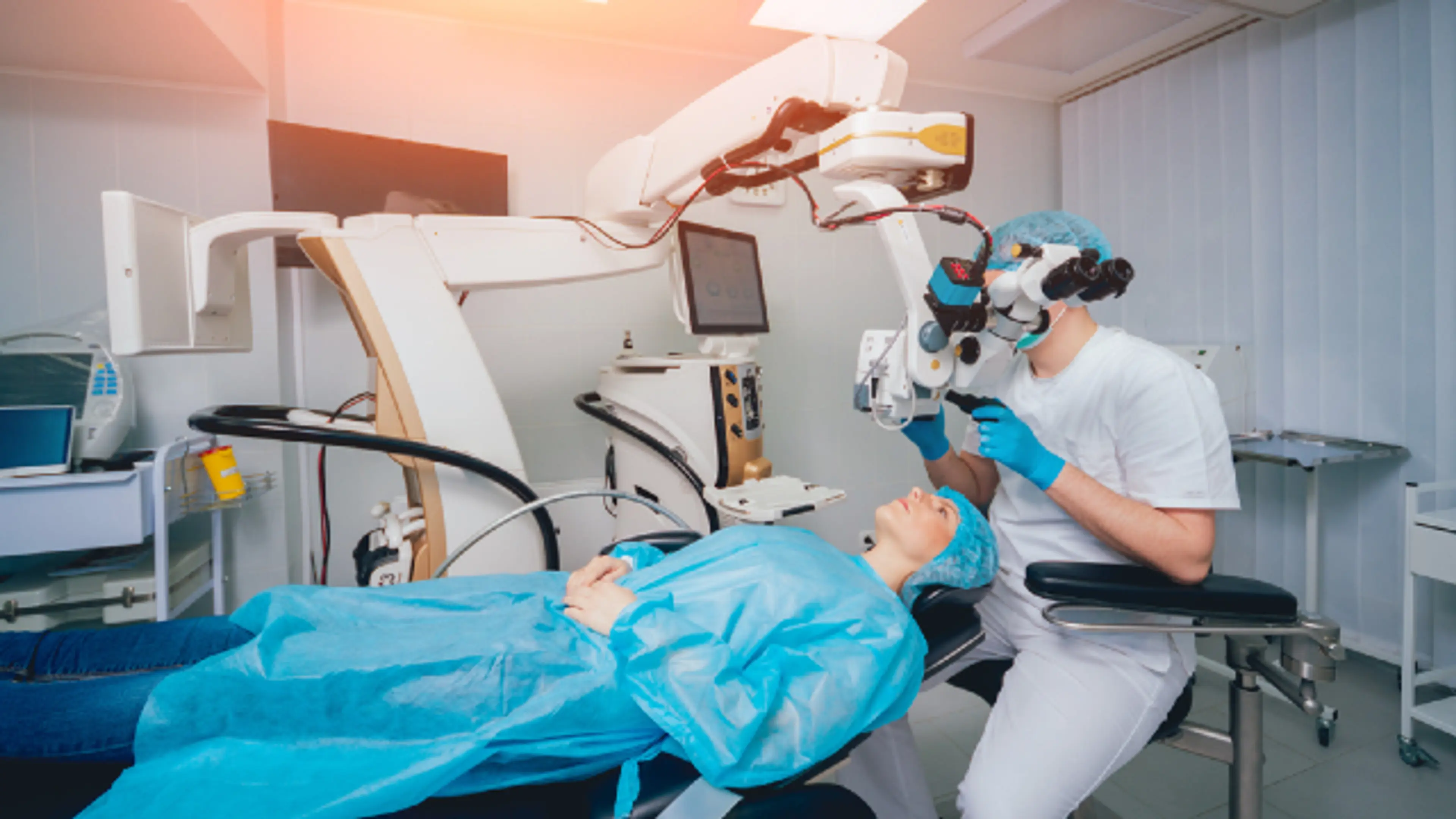
GS Eye Center, led by Dr. Kim Mu Yan and a team of six internationally trained ophthalmologists, performs over 1,400 vision correction surgeries annually using the ZEISS VisuMax 800, the most advanced SMILE Pro technology available, and has been refining advanced eye surgery techniques for over twenty years. This guide is based on documented patient outcomes, real cost comparisons, and interviews with LA-based patients who have had procedures at GS Eye Center and returned home with clear vision and no regrets.
The decision to have eye surgery Seoul Los Angeles isn't about saving a few thousand dollars on a discretionary procedure. It's about accessing technology and expertise that simply doesn't exist at the scale and refinement level available in Los Angeles right now. Understanding this distinction matters because it reframes the entire conversation from "budget travel surgery" to "strategic medical choice."
The reason is straightforward. SMILE Pro is relatively new to the American market, requires surgeons to undergo specific additional training, and the equipment is expensive to purchase and maintain. Most US practices have invested in LASIK platforms because they have more established patient demand and proven financial returns. SMILE Pro is advancing rapidly, but adoption in Los Angeles has been slower than international clinics would suggest.
South Korea has strategically positioned itself as a global leader in precision medicine and medical technology. GS Eye Center and other Seoul clinics invested heavily in SMILE Pro technology and surgeon training not by accident, but because they recognized international demand early and made the clinical infrastructure investment accordingly.
Here's the volume difference that matters: Seoul surgeons perform ten to fifty times more SMILE Pro procedures annually than most United States surgeons. More experience means refined techniques, better outcomes, and faster healing through pure statistical learning. The Korean government has also invested in medical technology infrastructure, making Seoul a genuine center of excellence for this specific procedure.
This isn't a cost-driven decision for these clinics. It's a clinical leadership decision.
Location | Annual SMILE Pro Procedures | Technology | Patient Origin |
|---|---|---|---|
Seoul (GS Eye Center) | 400+ | ZEISS VisuMax 800 | 30% international |
Premium LA Clinic | 50–100 | ZEISS VisuMax 800 | Primarily local |
NYC Premium Clinic | 75–150 | ZEISS VisuMax 800 | Primarily local |
Seoul clinics have lower overhead costs. Real estate is less expensive, staff salaries are lower, and facility maintenance costs are reduced compared to premium Beverly Hills locations. They pass these savings to patients, but this isn't a compromise on quality. It's a geographic efficiency advantage that actually benefits your outcomes.
For an LA patient, the value of choosing eye surgery Seoul Los Angeles isn't just cheaper surgery. It's better technology plus a more experienced surgeon plus lower cost plus cultural experience. You're not choosing Seoul because you can't afford LA. You're choosing Seoul because Seoul has invested more heavily in SMILE Pro and has more experienced surgeons doing this procedure every single week.
The financial benefit, saving $3,000 to $5,000, is a bonus. It's not the main point.
Dr. Kim Mu Yan, Chief Director of GS Eye Center, explains the clinical advantage directly: "As someone who has trained internationally and performed over one thousand SMILE Pro procedures, I can tell you that Seoul has become the center of expertise for this specific procedure. LA patients don't come to me because surgery is cheaper here. They come because GS Eye Center has refined SMILE Pro outcomes to a level that takes years to achieve domestically. The volume, the technology, and the experience create a clinical advantage that you simply cannot get in Los Angeles right now."
Understanding the complete financial picture is essential before you book anything. Most LA patients who research eye surgery Seoul Los Angeles underestimate the true domestic cost because they focus only on the surgery itself. When you factor in everything, the comparison becomes even more compelling.
A surgical consultation at a premium Los Angeles clinic typically costs $200 to $500, sometimes charged separately from your first visit. Comprehensive pre-operative testing, including corneal mapping and refraction, runs $300 to $800. The SMILE Pro procedure itself costs $4,500 to $5,500 per eye, which means $9,000 to $11,000 for both eyes. Post-operative office visits at one week, one month, and three months run $200 to $400 total. Medications and eye drops during recovery add another $100 to $200.
The subtotal for your eye surgery Seoul Los Angeles comparison at a premium LA clinic reaches $10,300 to $13,000 just for the medical components. If you need time off work, and you're a freelance designer earning approximately $300 per day, five to seven days of lost income during recovery adds $1,500 to $2,100 to your actual cost.
Here's the complete cost breakdown:
Cost Component | Premium LA Clinic | GS Eye Center Seoul (All-In) |
|---|---|---|
Surgical Consultation | $300 | Included (video) |
Pre-Op Testing/Diagnostics | $500 | Included |
SMILE Pro Procedure (Both Eyes) | $10,000 | $3,200 |
Post-Op Medications & Drops | $150 | Included |
Follow-Up Visits (1, 3, 6 months) | $300 | Virtual included; in-person in Seoul = $0 |
Flights LAX-Seoul (Round Trip) | $0 | $600–$900 |
Hotel (3 nights in Gangnam) | $0 | $400–$800 |
SUBTOTAL | $11,250 | $4,200–$4,900 |
LA Lost Work Time (7 days at freelance rate) | $2,100 (estimated) | $0 (recover in Seoul, working remotely by day 3) |
TOTAL REALISTIC COST | $13,350 | $4,200–$4,900 |
SAVINGS | — | $8,450–$9,150 (63–69% savings) |
GS Eye Center structures their pricing transparently. The pre-operative video consultation and preliminary screening are included at no cost. All pre-operative testing and diagnostics at the clinic itself are included in your surgery package. The SMILE Pro surgery for both eyes costs $3,200. All post-operative medications for the first thirty days are included. Virtual follow-up telemedicine at one week, one month, and three months is included. If you want one in-person follow-up visit in Seoul, that's free if done within one week of surgery.
The clinic is transparent about pricing because their business model relies on volume and international patient satisfaction rather than hidden fees or surprise charges. Lower overhead, higher volume, and Korean healthcare market dynamics all contribute to the lower price point.
Most people who get LASIK in Los Angeles need one full week off work due to recovery requirements. Your vision isn't stable enough for detailed work, you need frequent eye drops every hour, and light sensitivity makes extended screen time uncomfortable. For someone earning freelance income at approximately $300 per day, five lost work days equals $1,500 in lost income.
SMILE Pro recovery is dramatically faster because of the smaller corneal incision. By day three in Seoul, most patients can do remote cognitive work like email and communication. By days four to five, when you're flying back to Los Angeles, your vision is completely stable and clear. The fast recovery window means you lose only two to three days of work maximum, not seven.
This accelerates the return-on-investment argument significantly. Seoul recovery combined with flying home during the recovery window actually saves you work time compared to staying in Los Angeles and taking a full week off. You're essentially getting the procedure and recovering during what would normally be a vacation week, then returning to full productivity by the time you land back at LAX.
The logistics of traveling from Los Angeles to Seoul for eye surgery feel complex until you break them into manageable steps. This section removes the "this is too complicated" objection by providing specific, actionable information about flights, visas, airport logistics, and accommodation near GS Eye Center.
Los Angeles to Seoul flight time is fifteen to sixteen hours for direct flights, landing at Incheon International Airport, which is Seoul's primary international gateway. The best airlines for this route are Korean Air and Asiana, both offering direct flights with frequent flyer programs that provide good value. Budget airlines don't currently offer LAX-Seoul direct service, and any cheaper option requires layovers that add six to eight hours to your journey.
The timing strategy matters for your recovery. You should arrive in Seoul two to three days before your scheduled surgery. This allows your body to adjust to the seventeen-hour time difference and gives GS Eye Center time to conduct final pre-operative testing. Round trip flight costs typically range from $600 to $900 in economy class and $1,200 to $1,600 in premium economy, which is worth the extra investment for post-operative comfort on your return flight.
The ideal timing works like this: depart LAX in the evening, arrive in Seoul mid-morning the next day, rest for two days while completing pre-operative testing, have your surgery, recover for four days in Seoul, then fly home four to five days after surgery when your vision is completely stable. Flying while in early recovery is safe at this point because you're past the critical healing window.
Premium economy on your return flight is genuinely worth the extra cost. You'll have a seat that reclines more fully, additional legroom, and less eye strain from the extended flight. Your eyes will still be adjusting to the healing process, and comfort matters.
Airline | Schedule | Cost Range | Duration | Comfort Level |
|---|---|---|---|---|
Korean Air | Direct daily | $700–$950 | 15 hours | Premium service |
Asiana | Direct daily | $650–$900 | 15.5 hours | Premium service |
Cathay Pacific | 1 stop (HK) | $550–$750 | 21–23 hours | Mid-tier |
China Southern | 1 stop (CAN) | $500–$700 | 20–22 hours | Budget-tier |
United States citizens do not need a visa for South Korea for stays up to ninety days. You will receive a ninety-day tourist visa stamp automatically upon arrival at Incheon Airport. Your passport must be valid for at least six months beyond your intended stay, which is standard for all international travel. Bring your passport and a printed copy of your GS Eye Center appointment confirmation, though staff at immigration rarely ask about medical travel purposes.
No special documentation is required for medical tourism. You're simply visiting South Korea as a tourist who happens to have a surgery appointment scheduled during your stay. The entire immigration process takes about fifteen minutes.
Incheon International Airport to Gangnam is approximately fifty kilometers and typically takes sixty to ninety minutes depending on traffic patterns. You have three main transportation options, each with different advantages depending on your recovery status.
Airport Limousine Bus is the recommended option for your post-operative return journey. It costs $22 per person, provides direct service to most Gangnam hotels with no transfers required, and is comfortable for someone who has just had eye surgery. The journey takes about ninety minutes, but the door-to-door service is worth it.
The subway option costs only $10, but it requires navigating luggage and making line transfers. This is better for your outbound journey when you're fresh and can manage the logistics. The subway connects directly to Daechi Station, which is closest to GS Eye Center.
Taxi service costs $50 to $80 and provides direct door-to-door transportation. This is comfortable but more expensive than other options.
GS Eye Center is located in Gangnam-gu specifically in the Daechi-dong area, about ten minutes from Daechi subway station. Most recommended accommodation is within fifteen minutes of GS Eye Center by subway or short taxi ride. A T-money transportation card, purchased at the airport for $5 plus stored value, works on all subways and buses throughout Seoul, making navigation simple.
Gangnam is Seoul's trendiest district, full of young professionals, excellent restaurants, nightlife, and design-forward shops. If you're a creative professional from Los Angeles, Gangnam feels culturally familiar. The neighborhood has the same energy and aesthetic sensibility as trendy LA neighborhoods like Silver Lake or Los Feliz. You're surrounded by design studios, coffee shops, and young entrepreneurs building startups.
Hotel versus Airbnb versus serviced apartment involves cost trade-offs and comfort considerations. The recommended neighborhoods for medical recovery are Daechi, closest to GS Eye Center and quieter; Apgujeong, more upscale with better restaurants and shops; and Sinsa, artsy and younger with good cafes.
Budget options include guesthouses and Airbnbs in Daechi, which cost $40 to $60 per night but offer basic facilities. Mid-range options like the Novotel Gangnam run $90 to $120 per night and provide comfort, proximity to GS Eye Center, and good restaurant options nearby. Luxury options like Park Hyatt Seoul range from $250 to $400 per night but are located in a different area and aren't necessary for your recovery.
For someone like you recovering from eye surgery, a mid-range hotel in Daechi makes the most sense. You get three nights of comfortable accommodation for $270 to $360 total, you're within ten minutes of GS Eye Center for follow-up visits, and you're close enough to restaurants and cafes to explore Gangnam by day three of your recovery when you're feeling better.
Understanding what recovery actually feels like helps you plan your work schedule and set realistic expectations. SMILE Pro recovery is fast, but knowing the specific timeline helps you prepare mentally and logistically.
Timeline | Vision Status | Activities/Restrictions | Work Capability |
|---|---|---|---|
Day 1 (Surgery Day) | Blurry, light sensitive | Rest, dark room, eye drops every 15 minutes | None — Rest day |
Day 2 | 80–90% clarity | Light activities, gentle walking | Light email and communication only |
Day 3 | 95%+ clarity | Normal activities except swimming | 50% work capacity — short screen sessions okay |
Day 4–5 | Fully stable | All activities normal, can travel | 100% work capacity — can fly home safely |
Day 6–7 (Back in LA) | Fully stable | Resume gym, sports, all activities | Full productivity |
SMILE Pro is faster than LASIK because the corneal incision is dramatically smaller. LASIK creates a large flap across most of the cornea. SMILE Pro creates a tiny two-millimeter incision, removes the tissue underneath through this small opening, and leaves the outer corneal surface completely intact. This means faster epithelial healing, less inflammation, and faster visual stabilization.
The typical schedule works like this. You have surgery on Monday morning Seoul time. By Thursday, your vision is completely clear and you're ready to fly home. By Friday evening when you land at LAX, you're back to normal visual function. The fast recovery window means you lose only two to three days of work maximum, not seven. This is why so many LA freelancers and remote workers are choosing Seoul for their vision correction.
Dr. Sung Won Byun, Refractive Surgery Specialist at GS Eye Center, explains the practical advantage: "One of the greatest advantages of SMILE Pro for patients like our LA freelancers is the rapid visual stabilization. Within forty-eight hours, most patients report that their vision is clear enough for light work. By day five, when they're boarding the flight home, they're back to normal visual function. This makes it possible to schedule surgery around your work calendar in a way that was impossible with older procedures."
Remote work during recovery is feasible starting on day three. Emails, Slack messages, and light communication are possible once your vision reaches ninety-five percent clarity. Detailed screen work like graphic design, coding, or intensive visual tasks should wait until day four or five when your vision is completely stable.
Flying home on day five is safe and comfortable. Your eyes are past the critical healing window by then. Some freelancers use the Seoul recovery days as a scheduled break and plan their client work around it. Others do catch-up work remotely from the hotel on days three and four to stay ahead of deadlines. The key advantage is that SMILE Pro recovery is fast enough that you can structure it around your work schedule rather than the other way around.
Choosing which Seoul clinic to trust is a valid concern. You're trusting someone with your vision while traveling internationally, so understanding what specifically differentiates GS Eye Center matters.
The team includes six additional ophthalmologists, each specializing in different aspects of refractive surgery. Together, they perform 1,400 or more surgeries annually, which means high experience level and continuously refined techniques through volume. The clinic performs over 400 SMILE Pro procedures specifically every year, so SMILE Pro is their specialty, not one service among many.
Published research and conference presentations demonstrate academic credibility. Dr. Kim Mu Yan isn't just a clinician running a busy surgery schedule. He contributes to the scientific literature and presents findings at international conferences. This signals ongoing learning and commitment to advancing the field rather than simply performing profitable procedures.
An English-speaking international patient coordinator is dedicated to US patient support, handling all communication, scheduling, and coordination. This removes language barriers and ensures your questions are answered clearly.
Dr. Kim Mu Yan speaks directly about his experience with LA patients: "What differentiates GS Eye Center isn't just our technology. It's our experience volume and our commitment to understanding what international patients need. Over thirty percent of our SMILE Pro patients now come from the United States, many from California. We've refined our process specifically around what LA patients care about: speed, clarity of communication, seamless post-operative follow-up coordination with US ophthalmologists."
The ZEISS VisuMax 800 represents the most advanced SMILE Pro platform available anywhere on the planet. It's FDA approved in the United States and is the technology that global leading clinics depend on. GS Eye Center uses only this latest-generation platform. No older equipment, no outdated technology, no compromises.
This matters because faster treatment time, smaller incisions, more precise outcomes, and reduced complications all depend on equipment quality. Most US clinics that offer SMILE Pro use the same ZEISS VisuMax 800, but the difference is volume and surgeon experience. Seoul surgeons use this equipment fifty times more often annually than most US surgeons.
Jennifer, a freelance graphic designer from Los Angeles, had been wearing contacts for fifteen years before her eyes developed chronic dryness. She spent $3,200 for SMILE Pro at GS Eye Center and returned to LA within five days. Six months later, her vision was twenty-twenty and her eyes no longer felt gritty by afternoon. She saved approximately $8,500 compared to premium LA clinics and got superior outcomes through higher surgeon volume.
Marcus, a digital marketer in his late twenties, researched eye surgery Seoul Los Angeles specifically because he knew he couldn't take a full week off work. He had SMILE Pro surgery on day two of his Seoul trip, worked remotely from his Gangnam hotel by day three, and flew home on day six completely stable. He was back at full work capacity without losing a single billable hour.
Sarah, who works in entertainment production, was initially skeptical about international surgery. Her consultation with Dr. Kim Mu Yan addressed all her concerns about credentials, safety, and post-operative care coordination with her LA ophthalmologist. A year after surgery, she recommends GS Eye Center to everyone in her network.
These aren't paid testimonials or marketing content. They're LA-based patients who made the choice and lived the journey.
Converting from research mode to actual booking requires understanding exactly what steps come next. This section removes the friction from decision to action.
Contact GS Eye Center through WhatsApp, email, or their website form and request a free video consultation. This consultation includes a preliminary eye assessment, eligibility screening, technology explanation, and a cost quote tailored to your specific situation. You do not need to travel to Seoul for this initial conversation. Everything happens via video call.
Scheduling typically occurs within twenty-four to forty-eight hours of your inquiry. The consultation lasts about twenty minutes and connects you with one of the clinic's English-speaking patient coordinators and sometimes directly with one of the ophthalmologists.
You'll get clear understanding of whether you're a candidate for SMILE Pro, your exact cost quote, the timeline for surgery scheduling, and answers to your specific questions. This creates zero commitment. You're simply getting the information you need to make an informed decision.
If you decide to proceed, GS Eye Center provides a complete list of pre-operative tests required. Some tests can be done at your local LA ophthalmologist if they have the equipment, which saves time and money. Final comprehensive testing happens at GS Eye Center when you arrive in Seoul, two days before surgery.
GS Eye Center has partnerships with some LA eye care facilities for pre-operative testing. Ask about this during your consultation. This reduces the amount of testing you need to repeat in Seoul and saves both time and money.
Once your eligibility is confirmed, you book your flights from LAX to Seoul independently using any airline you prefer. GS Eye Center's international patient coordinator helps coordinate your surgery date, hotel recommendations, airport transfers, and the complete pre-operative timeline.
You typically pay a deposit of thirty to fifty percent of the surgery cost to secure your surgery date. Final balance is due one week before you travel. Payment methods include credit card accepted internationally, wire transfer, or payment plan options that you should inquire about specifically if you need financing.
Full pre-operative instructions arrive one week before you travel, including medication schedules, dietary restrictions, and what to bring to your surgery appointment.
The clinic follows a structured split-day schedule, operating from 9:30 AM to 1:00 PM and reopening from 2:00 PM to 6:30 PM, Monday through Friday. On Saturdays, the same morning hours apply, with a shorter afternoon session until 5:00 PM. The clinic remains closed on Sundays, ensuring a balanced routine with a midday break and limited weekend hours.
The most common objection LA patients have about international surgery is, "Who takes care of my eyes if something goes wrong after I'm back in Los Angeles?" This section provides a clear answer that removes that concern.
GS Eye Center provides virtual telemedicine follow-up at one week post-operative, one month post-operative, and three months post-operative. These are conducted via video call with the actual ophthalmologists who performed your procedure. Each session includes visual acuity testing, eye examination photos, medication review, and addressing any concerns that have come up during your recovery.
You do this from your home in Los Angeles. No travel required. This continuity of care with your actual surgeon ensures that any issues are caught immediately and addressed by someone who understands your specific procedure and baseline vision.
These virtual follow-ups are included in your surgery package. There's no additional charge.
GS Eye Center provides a list of LA-based ophthalmologists who specialize in post-operative SMILE Pro care. You can schedule your one-month and three-month follow-ups with a local LA ophthalmologist, which is often more convenient than telemedicine calls and allows in-person examination if needed.
LA facilities that support international SMILE Pro patients include Cedars Sinai ophthalmology, UCLA eye center, and various premium private practices. GS Eye Center sends your complete pre-operative and post-operative records to your LA ophthalmologist, ensuring they have full context about your procedure and baseline vision.
This hybrid approach combines virtual follow-ups with GS Eye Center plus in-person care with your LA ophthalmologist. You get the best of both worlds: continuity with your original surgeon and local support in your home city.
Dr. Young Ah Kwon, Refractive Surgery Specialist at GS Eye Center, explains this coordination directly: "One of the most important aspects of international SMILE Pro care is ensuring seamless post-operative coordination when patients return home. We don't just send LA patients home and hope for the best. We actively coordinate with their local ophthalmologists, provide detailed records, and maintain virtual oversight. This hybrid model ensures that if any issues arise, they're caught immediately by either GS Eye Center or their LA eye doctor."
Eye surgery in Seoul for LA patients is no longer an exotic outlier. It's become a legitimate, clinically superior, and financially rational option for creatives and professionals who refuse to compromise on either quality or value. SMILE Pro at GS Eye Center combines the most advanced technology available, the highest-volume experienced surgeons in the world, a significantly lower cost than premium LA alternatives, and a recovery timeline fast enough to fit your work schedule. The real barrier isn't logistics or safety. It's mindset. Once you decide that eye surgery Seoul Los Angeles makes sense, the process becomes surprisingly straightforward. A video consultation, four to five days in Seoul, and you're home with clear vision.
Hundreds of LA patients have already made this choice and returned home with exceptional results and no regrets. GS Eye Center has refined the international patient process to the point where LA-specific coordination, virtual follow-up, and seamless post-operative care make the entire experience feel like you're getting world-class surgery with premium domestic support.
Chief Director, GS Eye Center, Seoul, South Korea
PhD in Medicine, Catholic University Graduate School of Medicine
Former Professor of Ophthalmology, Catholic Central Medical Center
Twenty or more years of experience in advanced vision correction and refractive surgery
Specialist in SMILE Pro, LASIK, cataract surgery with premium intraocular lenses, and ICL implantation
Member: Korean Ophthalmological Society, American Society of Cataract and Refractive Surgery, European Society of Cataract and Refractive Surgeons
Innovator in SMILE Pro techniques; refined procedures for international patients including American patients from Los Angeles, New York, Miami, Chicago, and Houston