Introduction
introduction:-the-rise-of-needle-free-skin-rejuvenationIn South Korea, where digital screens dominate daily life and the pace of work rarely slows down, contact lenses have become a preferred choice for clear, convenient vision. Yet, for many people with sensitive eyes, wearing contact lenses can feel like an impossible challenge. Discomfort, dryness, and redness often make lens wear frustrating. At GS Eye Center in Gangnam, we often hear patients say, “I want to wear contact lenses comfortably, but my eyes just can’t handle them.” The truth is, many cases of sensitivity can be managed — and comfort restored — through a careful, personalized contact lens fitting process.
This article explores what happens during a professional contact lens fitting for sensitive eyes, how ophthalmologists determine your ideal lens type, and what patients can expect from a clinic that prioritizes comfort, safety, and visual clarity.
Understanding Sensitive Eyes
understanding-sensitive-eyes“Sensitive eyes” isn’t a diagnosis in itself — it’s a description of how your eyes react to their environment. Patients with sensitive eyes often experience burning, tearing, or discomfort when exposed to wind, dryness, or even mild irritants. The underlying causes can vary, but some of the most common include:
Dry eye syndrome from prolonged screen use, lack of blinking, or environmental stress.
Allergic conjunctivitis, caused by exposure to pollen, dust, or fine particles common in urban areas like Seoul.
Tear film instability, where poor tear quality or low tear volume fails to protect the eye’s surface.
History of refractive surgery (such as LASIK or SMILE), which can sometimes alter corneal sensitivity.
Contact lens overwear, leading to micro-irritation or inflammation.
At GS Eye Center, we emphasize that sensitivity isn’t something to “push through.” It’s a signal from your eyes that the surface environment needs attention. Understanding the root cause allows us to design a lens fitting that doesn’t just restore clear vision — it protects the eye’s delicate balance.
Step 1: Comprehensive Pre-Fitting Eye Examination
step-1:-comprehensive-pre-fitting-eye-examination
The most critical stage of any lens fitting is the diagnostic exam. For sensitive eyes, this stage is where comfort and safety are truly built. A professional evaluation ensures that any potential issues — from tear film dysfunction to minor inflammation — are addressed before selecting a lens.
1. Tear Film Evaluation: Using non-invasive tear break-up time (NIBUT) testing, meibography, and Schirmer’s testing, we measure how quickly your tears evaporate and whether your oil glands function properly. If the tears evaporate too quickly or are too thin, we know that high-oxygen, moisture-retaining lenses will be essential.
2. Corneal Topography: A 3D corneal map helps us understand your eye’s curvature, contour, and symmetry. For sensitive eyes, this is especially valuable. A lens that doesn’t align perfectly can cause micro-movements that lead to friction, dryness, or redness.
3. Ocular Surface and Allergy Testing: Many people in Korea have seasonal or chronic allergic conjunctivitis without realizing it. During your fitting, our ophthalmologists assess for subtle inflammation, redness, or papillae on the inner eyelid — small signs that can drastically affect comfort.
4. Baseline Visual and Tear Osmolarity Testing: These tests measure how “salty” or imbalanced your tears are. High osmolarity means the eyes are already under stress, so our approach might include treating dryness before finalizing the lens prescription.
At GS Eye Center, these advanced diagnostic steps form the foundation of every fitting. The process is fast, precise, and gives us the information we need to recommend lenses that harmonize with your eyes, not fight against them.
Step 2: Choosing the Right Lens Material and Design
step-2:-choosing-the-right-lens-material-and-designNot all lenses are created equal. For sensitive eyes, material science matters just as much as prescription strength. Modern ophthalmology now offers a wide range of materials, surface coatings, and water contents that can transform the comfort experience.
1. Silicone Hydrogel Lenses: These lenses deliver up to six times more oxygen to the cornea compared to traditional hydrogel materials. This high oxygen permeability helps maintain a healthy corneal surface, preventing hypoxia-related redness and irritation. They’re often our first recommendation for patients who previously struggled with lens discomfort.
2. Daily Disposable Lenses: If you have allergies, dry eyes, or frequent irritation, daily lenses are ideal. Because they’re discarded after each use, there’s no buildup of protein, bacteria, or preservatives. This single-use design minimizes exposure to contaminants and eliminates the need for harsh cleaning solutions.
3. Extended or Monthly Lenses (for Certain Patients): In select cases, newer-generation monthly lenses with hydrophilic surface coatings can also work for sensitive eyes. However, strict hygiene and regular lens replacement are essential to maintain comfort.
4. Hybrid and Scleral Lenses: For individuals with irregular corneas or severe dryness, scleral lenses that vault completely over the corneal surface can provide unparalleled comfort. They create a fluid reservoir that keeps the eyes constantly hydrated while offering stable, crisp vision.
At GS Eye Center, we’ve found that busy professionals — especially those working long hours under air conditioning or with digital devices — often benefit most from daily silicone hydrogel lenses. They deliver the breathability, hydration, and clarity that sensitive eyes require in demanding environments.
Step 3: The Trial Fitting Process
step-3:-the-trial-fitting-processOnce your lens type and material have been selected, the trial fitting brings the plan to life. This is where precision meets experience.
Insertion and Comfort Check: The lenses are gently applied to your eyes, and you’ll be asked to blink, look around, and describe any immediate sensations. Initial awareness is normal, but pain or persistent dryness isn’t.
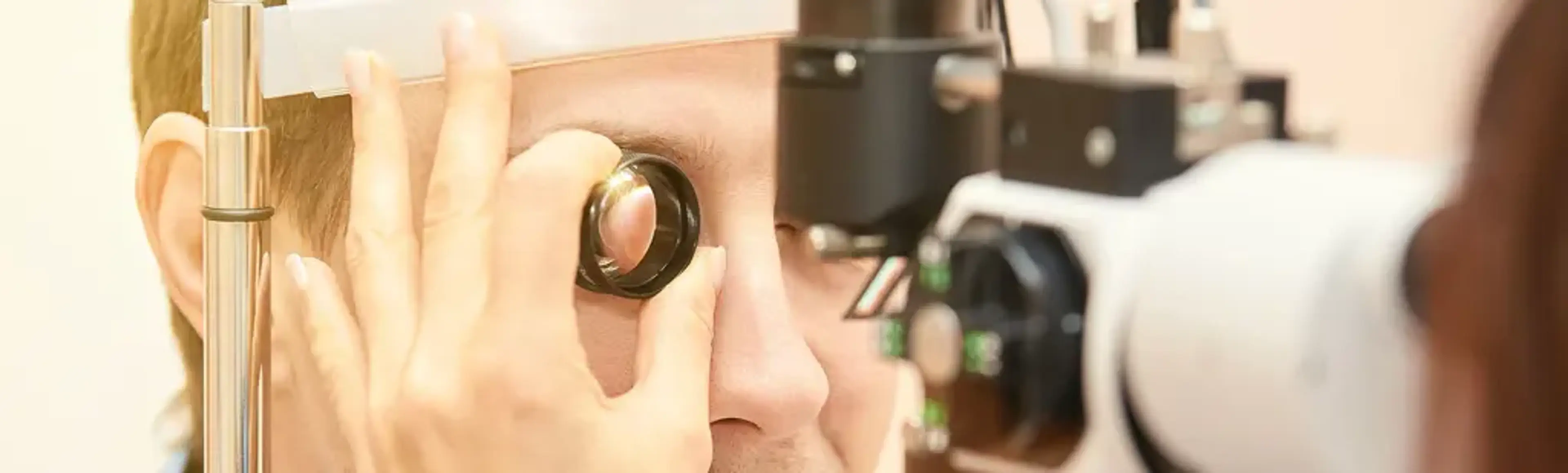
Fit Evaluation Under the Microscope: Using a slit-lamp biomicroscope, the ophthalmologist checks lens position, movement, and edge alignment. Even a fraction of a millimeter matters; if the lens moves too much, it can irritate the eyelid margin. If it fits too tightly, it can reduce tear exchange.
Vision Stability Test: You’ll perform a visual acuity test to confirm that the lenses provide sharp and stable correction. Subtle optical distortions can indicate an alignment issue or need for a base curve adjustment.
Tear Exchange and Surface Analysis: We assess how tears circulate beneath the lens. A healthy tear exchange prevents debris buildup and ensures consistent comfort.
It’s common for patients to try more than one lens type during this stage. To be honest, most people are surprised at how dramatically comfort can improve with small changes — even when their prescription power remains the same. The trial fitting is not just about vision; it’s about finding the right relationship between the eye and the lens.
Step 4: Guidance for Daily Care and Adaptation
step-4:-guidance-for-daily-care-and-adaptation
Once your final lens type is chosen, proper education ensures long-term success. Even the most advanced lens can cause irritation if not handled properly.
Our team provides detailed, step-by-step instruction on:
Insertion and Removal Techniques: Gentle, controlled methods to avoid touching the cornea or trapping debris under the lens.
Lubrication and Hydration: We often recommend preservative-free artificial tears that are lens-compatible. These help replenish moisture, especially in Korea’s dry indoor climates.
Wearing Schedule: For sensitive eyes, adaptation should be gradual — starting with a few hours daily and increasing as comfort improves. Overwearing too soon is one of the top causes of intolerance.
Lens Hygiene: If using reusable lenses, select mild, preservative-free cleaning solutions. Avoid alcohol-based or strongly buffered formulas that can irritate the ocular surface.
We also provide follow-up appointments within 1–2 weeks to ensure your eyes are adapting properly. During this visit, we check tear stability, corneal health, and patient feedback. Minor adjustments can be made to optimize long-term comfort.
When Lenses Still Feel Uncomfortable
when-lenses-still-feel-uncomfortableOccasionally, even after careful fitting, lenses can still feel uncomfortable. When this happens, it’s crucial not to ignore the symptoms — persistent discomfort often points to an underlying issue.
Common hidden causes include:
Meibomian Gland Dysfunction (MGD): Blocked oil glands can cause tears to evaporate too quickly. Treatments like LipiFlow™ thermal pulsation or gentle gland expression can restore balance.
Allergic Sensitivity: Some patients react to preservatives in lens solutions or protein deposits. Switching to preservative-free products or daily disposables can help.
Microscopic Corneal Irregularities: Tiny surface irregularities can interfere with lens stability. In these cases, treating the cornea or using specialty lens designs can provide relief.
At GS Eye Center, our philosophy is to treat before fitting. If your eyes are dry or inflamed, we stabilize the surface first. This ensures the lens sits on a healthy foundation. Once the eye is optimized, most patients discover they can enjoy contact lenses comfortably again.
The GS Eye Center Approach
the-gs-eye-center-approachFor over 20 years, GS Eye Center in Gangnam has been a leader in precision vision care, blending advanced technology with compassionate expertise. Led by Dr. Kim Moo-Yeon — a globally recognized ophthalmologist and former university professor — our team includes seven board-certified specialists trained both in Korea and abroad. We pride ourselves on delivering care that’s not only clinically precise but genuinely patient-centered.
For those with sensitive eyes, our contact lens fitting program is more than a routine service — it’s a personalized journey. Using high-resolution diagnostic imaging, customized trial lenses, and thorough follow-up care, we ensure every patient finds the balance between visual clarity and comfort.
We believe that contact lenses should never compromise eye health. Whether you wear them for work, travel, or convenience, the right fit can make all the difference. By combining science, technology, and genuine care, GS Eye Center helps patients regain confidence and clarity in their vision.