Introduction
introduction:-aging-gracefully-not-artificiallyIn Seoul, it’s common to meet professionals who’ve spent years behind computer screens — developers, designers, medical interns — all quietly battling blurred vision or eye strain. Eventually, many reach the same crossroads: Should I get laser vision correction? And if so, which one — SMILE, LASIK, or PRK — is right for me?
By 2025, the landscape of refractive surgery has changed more than most people realize. What used to be a choice between two established options — LASIK and PRK — has evolved into a new era led by SMILE Pro, the next-generation laser procedure favored for its precision, comfort, and rapid recovery. But to make an informed choice, it’s important to understand not only how each surgery works, but how they differ in long-term comfort, corneal stability, and visual performance.
At GS Eye Center in Gangnam, where we’ve performed vision correction for over two decades, we often guide patients through this very decision. Let’s explore the real-world differences between SMILE, LASIK, and PRK — and how to choose the right procedure for your lifestyle, eyes, and future vision needs.
What Each Procedure Really Does
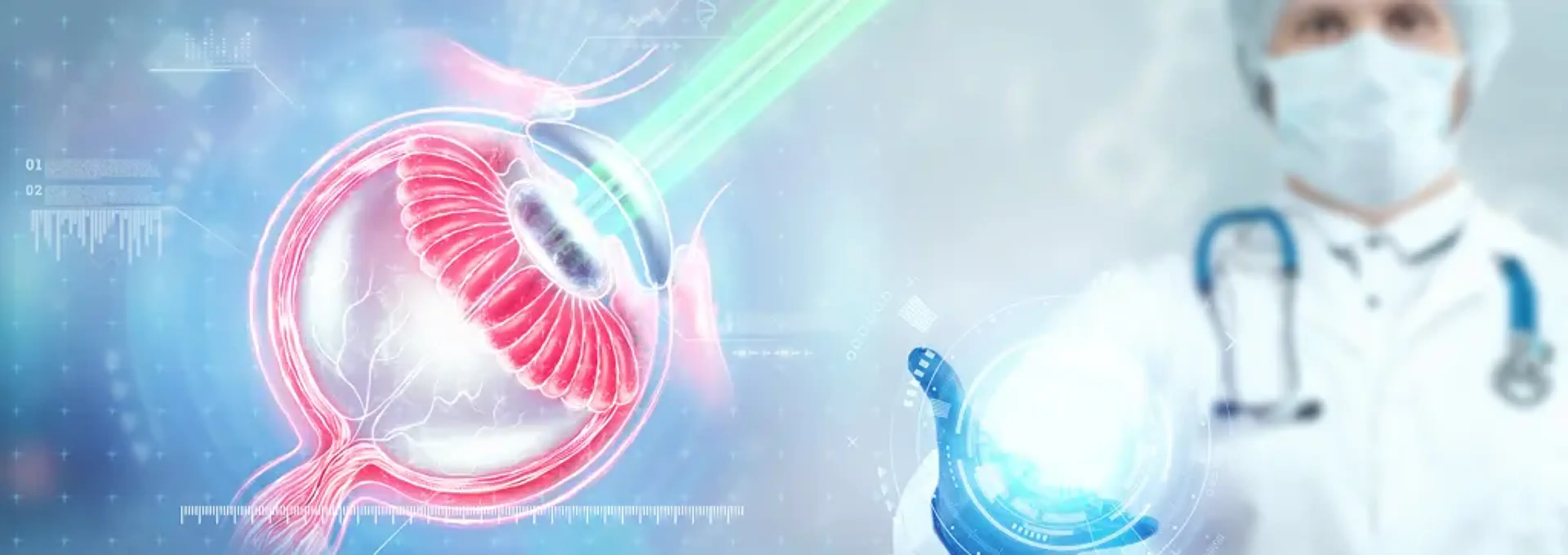
what-each-procedure-really-doessmile-(small-incision-lenticule-extraction)Think of SMILE as keyhole vision correction. Instead of creating a corneal flap (as in LASIK), the laser makes a microscopic lenticule — a thin disc of tissue — inside the cornea. Through a tiny 2–3 mm incision, that lenticule is gently removed, reshaping the cornea and correcting vision.
The result? No flap, less nerve disruption, and a quicker return to daily life. In Korea, SMILE Pro (the upgraded version of SMILE introduced in 2023) uses an ultra-fast femtosecond laser — completing the laser portion in just 10 seconds.
“To be honest, most patients are surprised at how fast it’s over,” says Dr. Kim Moo-Yeon of GS Eye Center. “The laser is so gentle that many don’t even realize the correction is complete.”
LASIK (Laser-Assisted In Situ Keratomileusis)
lasik-(laser-assisted-in-situ-keratomileusis)LASIK has been the gold standard for over two decades. The procedure involves creating a thin corneal flap, lifting it to apply an excimer laser that reshapes the tissue beneath, and then repositioning the flap.
The main advantages? Immediate clarity and quick recovery — often within 24 hours. However, because it involves a flap, there’s a slightly higher chance of dry eye symptoms or flap-related issues in the early healing period.
PRK (Photorefractive Keratectomy)
prk-(photorefractive-keratectomy)PRK is the original surface laser technique, used long before LASIK. Instead of making a flap or incision, the surface layer (epithelium) is gently removed, and the excimer laser reshapes the cornea directly.
It’s a safe, proven option for patients with thinner corneas or those involved in contact sports where flap safety is a concern. However, recovery takes longer — with more discomfort and several days before clear vision stabilizes.
2025 Comparison at a Glance
2025-comparison-at-a-glance
Feature | SMILE Pro | LASIK | PRK |
|---|
Incision / Flap | 2–3 mm micro-incision, no flap | Flap (20 mm) | No flap, surface removal |
Laser Type | Femtosecond only | Femtosecond + Excimer | Excimer only |
Recovery Speed | 1–2 days | 1–2 days | 5–7 days |
Dry Eye Risk | Lowest | Moderate | Moderate |
Discomfort | Minimal | Low | Moderate |
Ideal For | Active professionals, athletes, dry-eye prone patients | General candidates | Thin corneas, contact sports |
Technology Used at GS Eye Center | ZEISS VisuMax 800 (SMILE Pro) | Contoura LASIK | Advanced PRK with wavefront analysis |
Which Procedure Fits Your Lifestyle?
which-procedure-fits-your-lifestyle1. For Busy Professionals and Minimal Downtime → SMILE Pro
1.-for-busy-professionals-and-minimal-downtime-smile-proSMILE Pro has become the top choice among Seoul’s working professionals — especially those who can’t afford long recovery times. Because it doesn’t require a flap, patients often return to work or university within 24–48 hours, with minimal discomfort.
Many also appreciate its stability during workouts or travel. It’s an excellent fit for doctors, pilots, office workers, and K-pop performers who depend on consistent visual clarity under bright lights or extended screen use.
2. For Patients Who Prefer Proven Long-Term Data → LASIK
2.-for-patients-who-prefer-proven-long-term-data-lasikLASIK remains one of the most studied medical procedures in the world, with decades of safety data and millions of satisfied patients. If your corneas are thick and healthy, LASIK offers excellent results and quick vision improvement.
At GS Eye Center, LASIK is performed with topography-guided technology, ensuring that even microscopic irregularities are corrected for crisp, contrast-rich vision.
3. For Thin Corneas or Active Lifestyles → PRK or SMILE
3.-for-thin-corneas-or-active-lifestyles-prk-or-smileIf you’ve been told your cornea is too thin for LASIK, don’t worry — that doesn’t disqualify you from vision correction. PRK and SMILE are both viable alternatives.
PRK is still favored for military personnel, athletes, and martial artists who need maximum corneal integrity. SMILE, however, now rivals PRK in safety while offering faster recovery — making it the preferred choice for most active patients today.
Beyond the Laser: Why Diagnostics Matter Most
beyond-the-laser:-why-diagnostics-matter-mostWhat people often overlook is that the surgery is only as safe as the diagnostics behind it. At GS Eye Center, every patient undergoes more than ten detailed eye exams before surgery — including corneal topography, pachymetry, wavefront analysis, and tear film evaluation.
This isn’t overkill. It’s how surgeons detect early keratoconus (which may not yet affect vision) or dry-eye risk factors that could influence post-op comfort. Advanced imaging ensures that the laser reshaping is perfectly tailored to your cornea’s natural curvature — what we call personalized optics.
“Every cornea has its own fingerprint,” explains Dr. Kim. “Our goal is to match the laser plan precisely to that fingerprint, so that vision isn’t just clear — it feels naturally comfortable.”
The 2025 Upgrade: What Makes SMILE Pro Different
the-2025-upgrade:-what-makes-smile-pro-different
While the original SMILE procedure was already minimally invasive, SMILE Pro (ZEISS VisuMax 800) represents a leap forward in both precision and patient experience.
Laser time: Reduced from 25 seconds to just 10 seconds
Eye tracking: Active cyclotorsion compensation ensures perfect centration
Energy control: Softer laser pulses for smoother tissue separation
Patient comfort: Lower suction pressure, less sensation during surgery
These improvements have made SMILE Pro the most comfortable and efficient refractive surgery option in 2025, particularly for those who value both technology and safety.
Common Myths Patients Still Ask About
common-myths-patients-still-ask-about“Is SMILE only for mild myopia?”
Not anymore. SMILE Pro can now correct up to -10.00 diopters of myopia and -5.00 diopters of astigmatism, depending on corneal parameters.
“Can LASIK or SMILE fix presbyopia?”
While standard laser correction doesn’t directly treat presbyopia (age-related near blur), GS Eye Center offers blended vision and multifocal lens implant solutions for patients over 40 who want freedom from both distance and reading glasses.
“Will my eyes feel dry forever after LASIK?”
Temporary dryness is normal, but with today’s tear film mapping and meibomian gland analysis, clinics can predict and manage dryness proactively. SMILE Pro’s smaller incision also helps preserve more corneal nerves, reducing long-term dryness risk.
Real-World Example: The Developer Who Couldn’t Take Time Off
real-world-example:-the-developer-who-couldn't-take-time-offOne recent patient, a 32-year-old software developer, visited GS Eye Center worried about long downtime. His job required him to work with screens daily, and he feared LASIK might cause dryness. After comprehensive testing, Dr. Kim recommended SMILE Pro.
The surgery took less than 15 minutes. Within two days, he was back coding, surprised that his eyes felt normal almost immediately. A month later, his vision measured 1.0 (20/20) in both eyes — and he later commented that “it felt like nothing happened, except I could finally see without lenses.”
Choosing Wisely: The Doctor’s Perspective
choosing-wisely:-the-doctor's-perspectiveWhen patients ask which procedure is “best,” the honest answer is: It depends on your eyes.
A skilled surgeon won’t recommend the newest technology just for marketing appeal. They’ll match the technique to your corneal shape, tear profile, and lifestyle habits.
That’s why at GS Eye Center, every consultation includes a full discussion of both laser and non-laser options, from SMILE Pro to implantable lenses (ICL) for those with higher prescriptions.
“Our philosophy is precision with peace of mind,” says Dr. Kim. “Vision correction should fit you — not the other way around.”
Final Thoughts
final-thoughtsChoosing between SMILE, LASIK, and PRK in 2025 isn’t about which procedure is most famous — it’s about what fits your eyes, schedule, and expectations.
If you’re ready to experience life without glasses or contacts, take the first step with a detailed eye analysis. Whether it leads to SMILE Pro or another solution, you’ll gain a clear understanding of your visual health — and confidence in your next move.
Considering vision correction in Seoul?
Visit a trusted specialty clinic like GS Eye Center in Gangnam, where advanced laser systems and compassionate care come together to deliver vision that feels as natural as it looks.