Introduction
introduction:-the-challenge-of-aging-gracefully-in-a-fast-paced-worldIt’s one of the most common — and most reasonable — questions patients ask after cataract surgery.
You’ve gone through the procedure. The cloudy natural lens has been removed and replaced with a clear artificial lens implant. Your vision is brighter, sharper, and colors finally look like colors again. Then someone mentions the phrase “secondary cataract,” and anxiety creeps back in.
So let’s address this clearly and honestly:
No — once a cataract is removed, it cannot come back.
But there is a separate condition that can affect vision months or years later, and it’s often mistaken for cataracts returning.
Understanding the difference matters — not just for peace of mind, but for knowing what to expect long-term.
Why Cataracts Can’t Come Back (In Simple Terms)
why-cataracts-can't-come-back-(in-simple-terms)A cataract is clouding of the eye’s natural lens. During cataract surgery, that natural lens is completely removed and replaced with an artificial intraocular lens (IOL).
Think of it like replacing a fogged camera lens:
The fogged lens is taken out
A brand-new, crystal-clear lens is installed
There’s nothing left that can “re-cloud” in the same way
Because the original lens is gone, the cataract itself cannot return.
This is true whether you’ve received:
A standard monofocal lens
A multifocal or extended-depth-of-focus lens
A toric lens for astigmatism
Once replaced, the cataract chapter is closed.
Then Why Do Some People Say Cataracts “Come Back”?
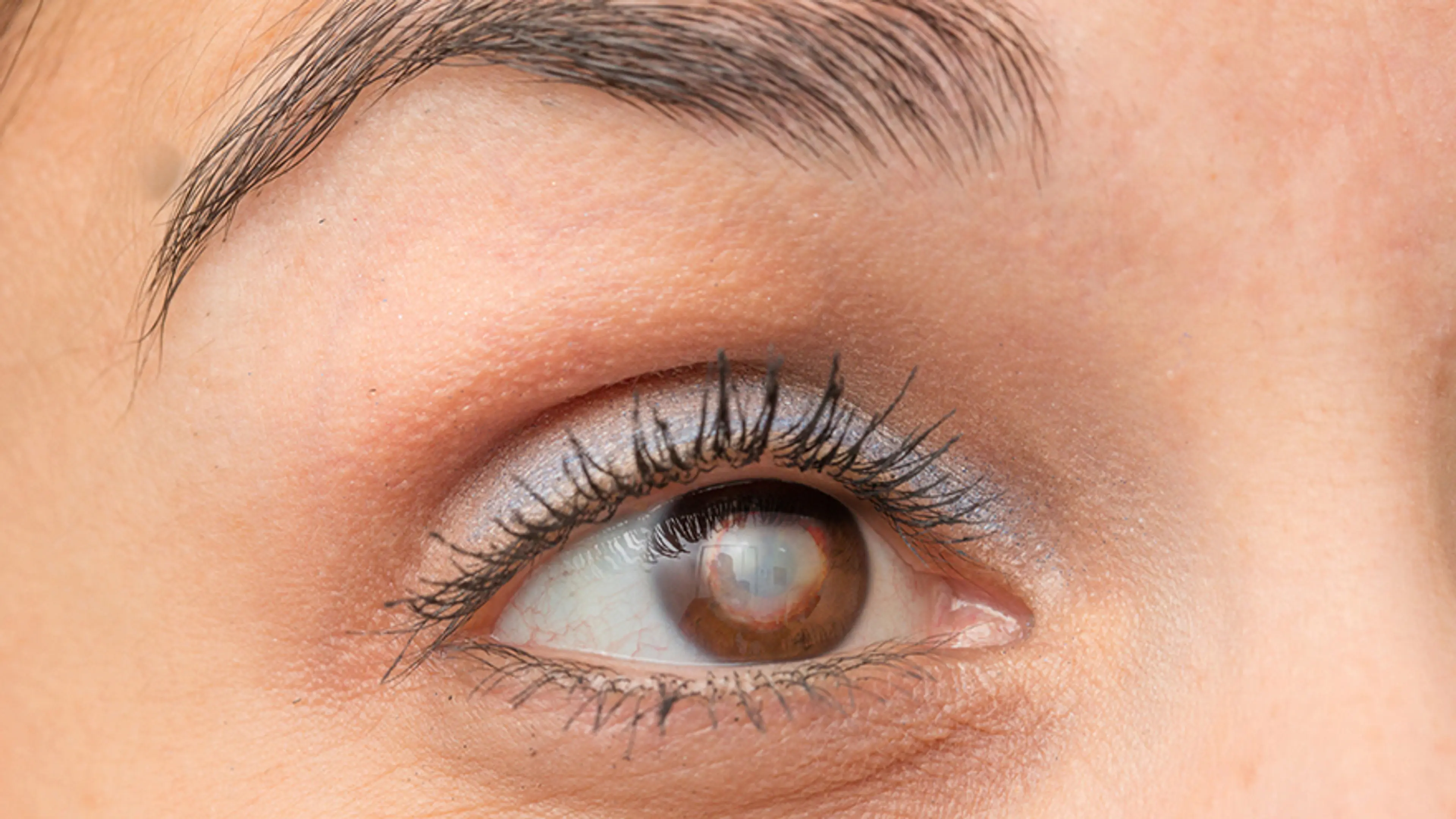
then-why-do-some-people-say-cataracts-"come-back"What most people are referring to is Posterior Capsule Opacification (PCO) — often called a secondary cataract, though that term is medically misleading.
What Is Posterior Capsule Opacification?
what-is-posterior-capsule-opacificationDuring cataract surgery, surgeons intentionally leave behind a thin, transparent membrane called the posterior capsule. This capsule acts as a natural support structure to hold the artificial lens perfectly centered.
Over time, in some patients:
Microscopic lens epithelial cells migrate
The capsule becomes slightly cloudy or hazy
Light scattering increases
Vision gradually feels blurred again
Importantly:
The lens implant itself remains clear
The original cataract does not return
The issue is with the capsule, not the lens
To be honest, most patients are surprised by how common this is — and how simple the solution usually is.
How Common Is Posterior Capsule Opacification?
how-common-is-posterior-capsule-opacification
PCO is not a surgical failure or complication — it’s a known long-term biological response of the eye.
In general:
About 20–30% of patients develop noticeable PCO within 2–5 years
Rates vary depending on age, eye health, and surgical technique
Modern lens designs and precise surgery significantly reduce the risk
At experienced centers like GS Eye Center, careful capsule management and advanced intraocular lens selection are used to minimize the likelihood of PCO from the beginning.
What Does PCO Feel Like?
what-does-pco-feel-likePatients often describe symptoms that sound very similar to cataracts:
Gradual blurring of vision
Increased glare or halos, especially at night
Reduced contrast sensitivity
A feeling that glasses are no longer effective
The key difference is timing.
Cataracts worsen gradually before surgery.
PCO develops after a period of clear vision following surgery.
If vision declines months or years after a successful cataract operation, PCO is usually the first thing ophthalmologists evaluate.
The Good News: Treatment Is Fast and Painless
the-good-news:-treatment-is-fast-and-painlessYAG Laser Capsulotomy: A One-Time Fix
yag-laser-capsulotomy:-a-one-time-fixPCO is treated with a YAG laser capsulotomy, a simple in-clinic procedure that:
Takes about 5 minutes
Requires no incisions or stitches
Is painless
Is performed on an outpatient basis
Often restores clear vision immediately or within a day
The laser creates a precise opening in the cloudy capsule, allowing light to pass cleanly again.
Once treated:
Many patients say it feels easier than a standard eye exam.
Does Lens Type Affect the Risk of PCO?
does-lens-type-affect-the-risk-of-pco
Yes — and this is something many general explanations overlook.
Factors That Influence PCO Development
factors-that-influence-pco-developmentLens material and design
Modern square-edge acrylic lenses are designed to limit cell migration and reduce capsule clouding.
Surgical precision
Meticulous capsule polishing and centered lens placement lower long-term risk.
Patient-related factors
Younger patients, those with diabetes, or those prone to inflammation may develop PCO more easily.
This is why specialized clinics place such emphasis on preoperative diagnostics and lens selection, not just the surgery itself.
What people often underestimate is how much planning before surgery influences clarity years later.
Can Posterior Capsule Opacification Be Prevented Completely?
can-posterior-capsule-opacification-be-prevented-completelyThere’s no guaranteed way to prevent PCO entirely, but its likelihood can be significantly reduced.
At high-volume centers with advanced protocols:
Capsule handling is especially careful
Lens choice is tailored to each eye’s anatomy
Surgical energy is minimized
Postoperative inflammation is tightly controlled
These behind-the-scenes details often explain why outcomes differ between clinics, even when the procedure sounds the same.
When Should You Get Checked?
when-should-you-get-checkedYou should schedule an eye exam if you notice:
Vision worsening after a period of clarity
Increased glare while driving at night
Sudden changes in contrast or sharpness
PCO is not an emergency, but delaying evaluation can affect comfort and confidence in daily life. Early diagnosis keeps treatment simple.
Cataract Surgery Remains a Permanent Solution
cataract-surgery-remains-a-permanent-solutionIt’s important to look at the bigger picture.
Cataract surgery:
Permanently removes the cataract
Replaces it with a durable, lifelong lens
Has one of the highest satisfaction rates in all of medicine
PCO does not mean the cataract returned.
It does not mean the surgery failed.
It does not mean another operation is needed.
It simply reflects how a living eye heals over time.
A Practical Takeaway for Patients
a-practical-takeaway-for-patientsIf you’ve had cataract surgery and your vision isn’t as crisp as it once was, don’t assume the worst.
A straightforward eye exam can often identify PCO, and treatment is quick and effective.
If you’re considering cataract or lens implant surgery and want clarity that lasts — not just immediately, but years down the line — choose a clinic that prioritizes:
Advanced diagnostic testing
Precision surgical technique
Long-term visual planning
Clear, reassuring patient education
If you’re experiencing vision changes after cataract surgery or preparing for a lens implant evaluation, consider a specialized center like GS Eye Center in Gangnam, where cataract care is viewed not as a single procedure, but as a long-term investment in visual quality.
Clear vision shouldn’t come with lingering doubts — and with the right guidance, it doesn’t have to.